
California Hunter Education
California Hunter Education:
Your First Step Into Hunting
Getting certified makes you eligible to hunt. Learning how to hunt is the journey that follows.
Understand the PathHow California Hunter Education Works
Before you can legally hunt in California, you need to complete a certified hunter education program. Here's how the current pathway works.
Complete an Approved Hunter Education Course
Many students complete the educational study portion through an approved online course. This covers firearm safety, hunting ethics, conservation, wildlife management, legal responsibilities, and basic field knowledge.
Complete the Required In-Person Follow-Up
Under the current California pathway, online coursework alone does not complete certification. You must attend an in-person follow-up session with a certified California Hunter Education Instructor, which includes the final examination and leads to hunter education certification.
Receive Proof of Hunter Education
Upon successful completion, you'll receive accepted proof of hunter education. This is required before you can purchase a California hunting license.
Purchase Your Hunting License & Tags
With proof of hunter education, you can purchase a California hunting license. Depending on what you intend to hunt, you'll also need the appropriate tag or entitlement for that species.
Begin Developing Real Hunting Capability
Certification makes you legally eligible to hunt. Learning how to independently plan and execute a successful hunt is the journey that follows.
What Hunter Education Provides
Hunter education performs an essential job — establishing the foundational knowledge every hunter needs before stepping into the field.
Knowing the rules and foundations of hunting is different from knowing how to independently plan and execute a successful hunt.
The Hard Part Usually Comes Next
After certification, most hunters still have to figure out how all the pieces fit together — on their own.
Find the Opportunity
- →Habitat & terrain analysis
- →Scouting & identifying sign
- →Access planning
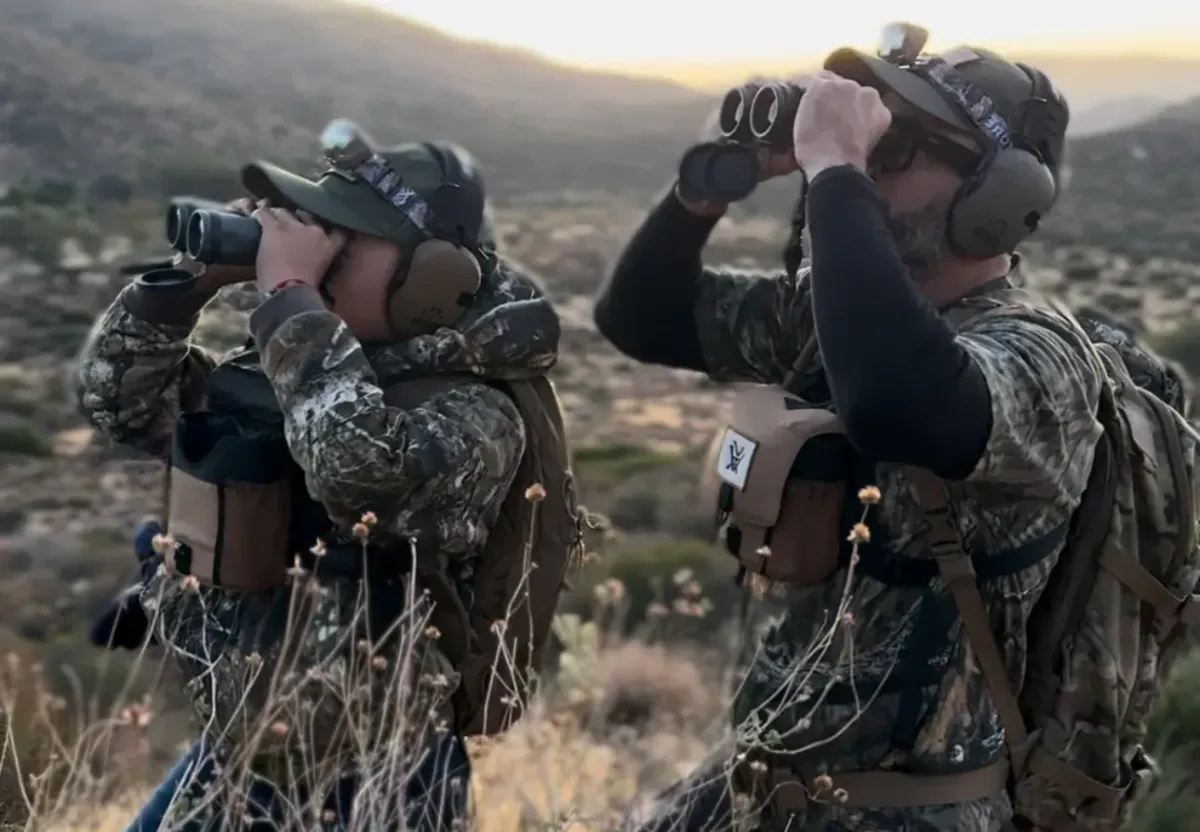
- →Glassing & locating game
Prepare for the Mission
- →Gear selection & pack systems
- →Mission-specific packing
- →Physical & mental preparation
- →Hunt planning
Execute
- →Positioning & approach
- →Firearms & ammunition prep
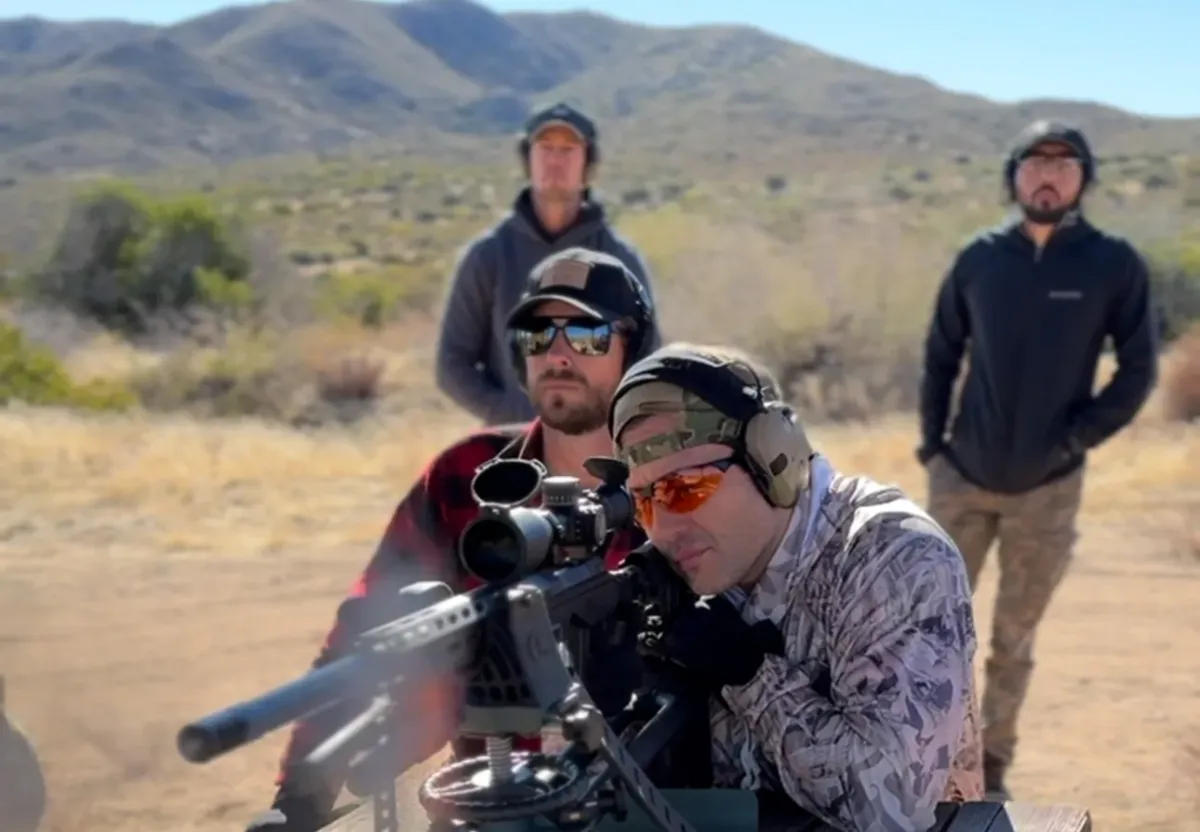
- →Field shooting under real conditions
- →Decision-making in the moment
Complete the Harvest
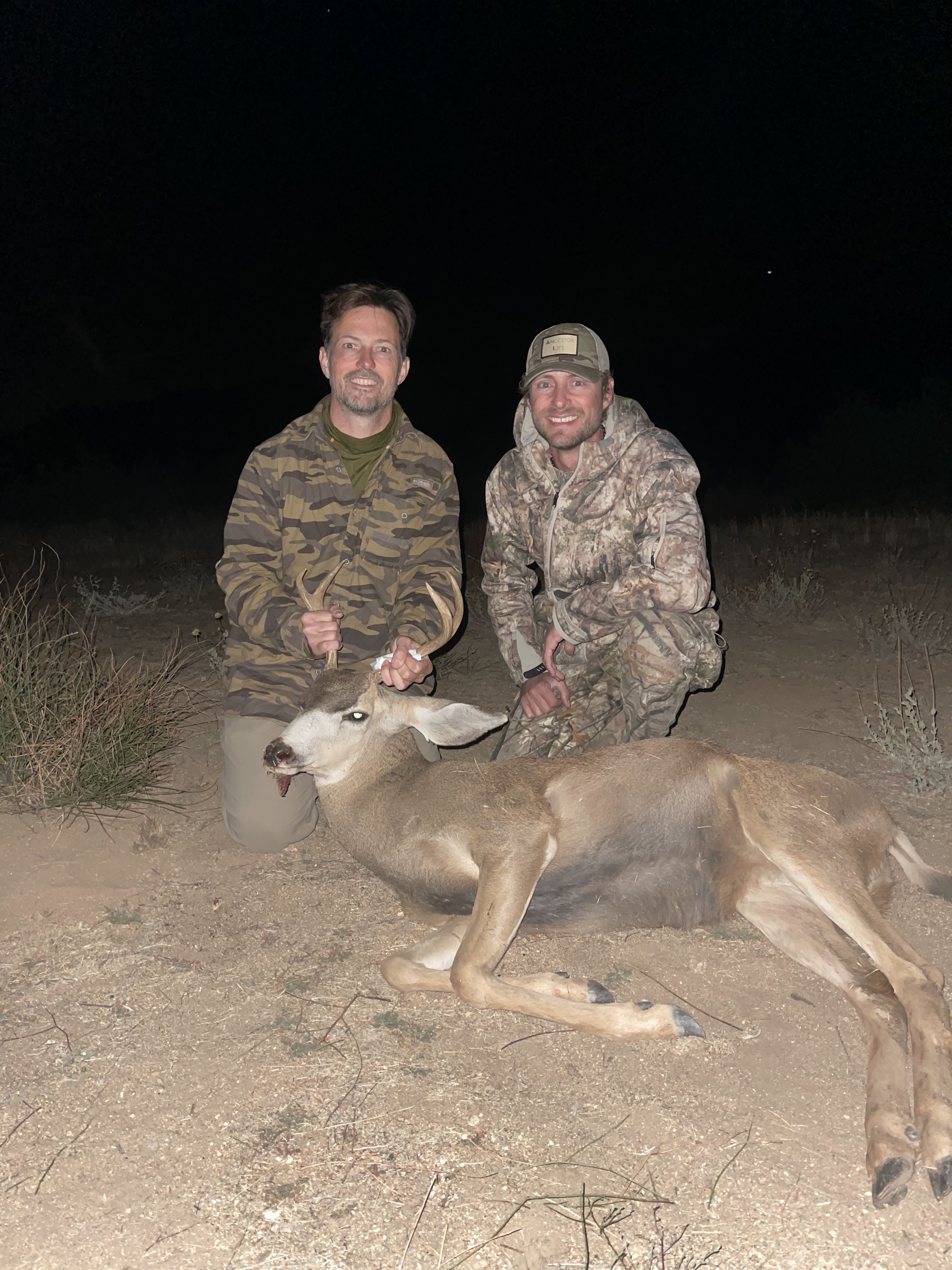
- →Animal recovery
- →Field dressing
- →Pack-out
- →Meat care
Many people don't lack the desire to hunt. They lack someone who can show them how all the pieces fit together.
This Isn't Just for Beginners
People who see value in hands-on hunting instruction come from many different backgrounds.
Hunting requires a highly specific combination of skills and judgment. Adjacent competence — whether in firearms, military service, law enforcement, or general outdoor experience — can be extremely valuable, but it doesn't automatically teach someone how to independently locate animals, develop productive hunting areas, plan hunts, execute opportunities, recover game, process an animal, and repeat the process.
Likewise, someone may have participated in multiple guided hunts without learning all of the pre-work the guide performed to create those opportunities. Guided hunts can be valuable experiences — but much of what makes a hunt successful happens before the client arrives.
Information can be learned online. Judgment develops through experience.
Modern online hunting education and content can be excellent — there's more useful information available than ever before. But hands-on instruction adds what a screen can't: handling real equipment, observing terrain directly, interpreting real sign, making decisions in context with immediate feedback, and experiencing the full sequence of a hunt in a controlled environment. That's how individual skills become connected capability.
Why People Actually Want to Learn
These motivations come directly from people who have applied to Ancestor Life programs.
Many Southern California residents didn't grow up in hunting families. There may be no father, grandfather, uncle, friend, hunting camp, or local mentor passing these skills down. Ancestor Life exists in part to recreate access to that kind of direct knowledge transfer in a modern context.
From Certification to Capability
Hunter education gives you the legal foundation. Ancestor Life helps you build the real-world capability to actually hunt.
The Foundation — Hunting Immersion
A two-day hands-on training environment designed to connect the pieces of hunting that are normally learned separately. This is not a live guided hunt — it's a controlled environment where you experience the full process.
Day 1 — Hunter Intensive
Gear systems, mission-specific pack preparation, locating game, understanding habitat and sign, hunting-party systems, base camp, wilderness skills, reverent controlled animal harvest, field dressing, pack-out, meat care, and preparing the harvested animal over the fire.
Day 2 — Firearms Intensive
Practical firearms and ammunition capability across relevant platforms and field scenarios, from close distances out to approximately 750 yards. NRA-certified instruction in rifle and pistol fundamentals, ballistics, ammunition, and field shooting.
Capability develops through continued practice — but the Immersion gives you a substantial practical foundation.
Explore Hunting ImmersionBuild Independence — Self-Sufficient Hunter
One-on-one mentorship for people who want to continue developing toward independent hunting capability. The goal isn't merely to accompany you on hunts — it's to help you develop your own hunting system and productive hunting area.
You'll learn habitat analysis, opportunity identification, scouting, access, hunt planning, gear systems, field strategy, shot preparation, and seasonal preparation. The long-term objective is independence.
The goal isn't to need a guide forever. The goal is capability.
Explore Self-Sufficient HunterTake It Into the Field — Guided Support
Guided and semi-guided hunting opportunities allow hunters to apply knowledge in a real hunting environment while receiving support. Strategy and decision-making are explained so you understand the logic behind location, timing, approach, positioning, equipment, execution, and harvest.
Guided support also provides a legitimate path for people who simply don't have the time required to independently scout and develop productive hunting locations. Capability can develop progressively — not everyone must become completely independent.
Explore Guided HuntsWho Is Behind This Information
The information on this page comes from someone who actually teaches, guides, shoots, hunts, and works directly with hunters in California.
Frequently Asked Questions
Yes. If you have never held a California hunting license, you must complete a certified hunter education program before purchasing one. Check current requirements on the CDFW website.
Complete hunter education, receive proof of certification, then purchase a license through CDFW's licensing system. You may also need species-specific tags or entitlements depending on what you plan to hunt.
Approved coursework can be completed online, but under the current California pathway, online coursework alone does not complete certification. An in-person follow-up with a certified instructor — including the final examination — is still required.
Hunter education teaches essential safety, ethics, conservation, and legal foundations. It does not teach you how to independently locate animals, scout habitat, plan hunts, execute shots in the field, or process an animal. Those skills develop through hands-on experience and mentorship.
No, but basic firearms proficiency helps. Many hunters develop shooting skills alongside their hunting education. Structured firearms training can dramatically accelerate your readiness for the field.
Absolutely. Many Southern California residents didn't grow up in hunting families. There may be no parent, grandparent, or local mentor passing these skills down. That's exactly the gap Ancestor Life exists to fill — recreating direct knowledge transfer in a modern context.
No. Ancestor Life serves new hunters, licensed hunters, people already hunting who want to improve, experienced outdoorsmen, military and law enforcement personnel, and parents learning alongside their children. Hunting requires a specific combination of skills and judgment that adjacent experience doesn't automatically provide.
It can be. Participating in a guided hunt doesn't necessarily teach the entire system — much of what makes a hunt successful happens before the client arrives: scouting, habitat analysis, access development, and hunt planning. The Immersion connects those pieces.
Not currently. Ancestor Life's founder, Chase Costello, is a Certified California Hunter Education Instructor, but Ancestor Life does not currently offer the official hunter education certification program. For current classes and requirements, visit the CDFW Hunter Education page.
Hunter education provides the required legal and safety foundation. The Hunting Immersion is a two-day hands-on training environment where you experience the actual hunting process — gear systems, locating game, field dressing, meat care, and firearms training — so you understand how all the pieces fit together.